the process
What is an Original Print?
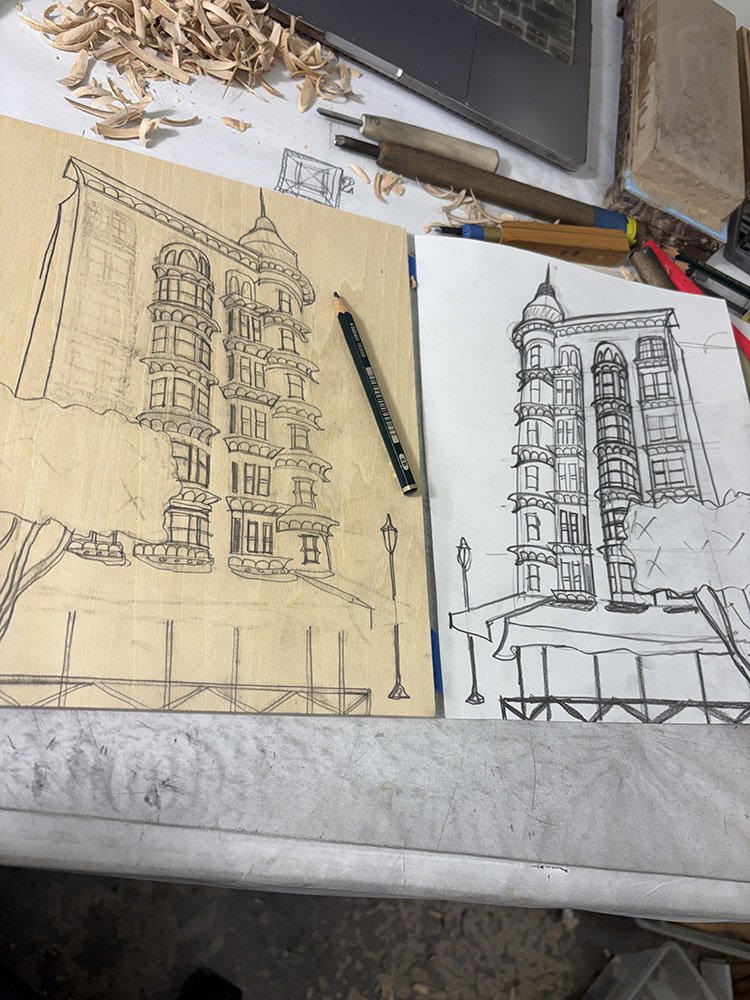
An original print is a fine art print created from a matrix, such as a carved woodblock, etched copper plate, or lithography stone, rather than a reproduction of an existing artwork. While some prints are made entirely by the artist’s hands, others are produced in editioning studios, where skilled printers collaborate with the artist to pull each impression under their guidance. Every print in a limited edition is considered a hand-pulled original print, with subtle variations between impressions reflecting the physical process, the materials used, and the choices of the artist and printer. Printmaking techniques such as woodcut, etching, and lithography allow artists to create multiple, unique impressions from a single design, showcasing the versatility of fine art printmaking.
A limited edition refers to a set number of prints produced from a single matrix. Once the edition is complete, no additional prints are made from that block or plate, ensuring the scarcity and value of each work. Each print in the edition is usually numbered and signed by the artist, providing provenance and authenticity for collectors. Limited editions allow artists to share their work more widely while maintaining the integrity and uniqueness of each impression, giving collectors confidence that the prints they acquire are part of a carefully controlled, finite series.
What Is Woodcut?
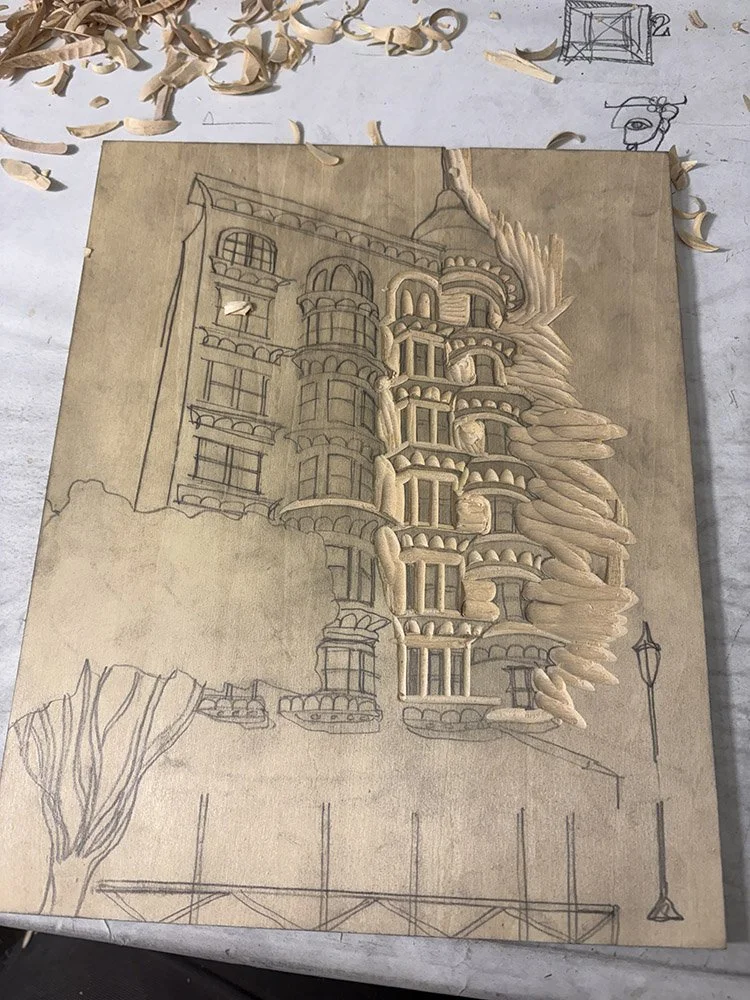
Woodcut is the oldest form of printmaking, with a history spanning over a thousand years across many cultures. In this relief printmaking technique, an image is carved into a block of wood, leaving the raised areas to receive ink while the recessed areas remain unprinted. Ink is applied, and paper is pressed by hand to transfer the design, creating a hand-pulled print.
Woodcut printmaking allows for bold lines, strong contrasts, and a tactile sense of texture that is unique to this medium. Historically used for book illustrations and decorative prints, it continues to inspire contemporary artists. This direct, hands-on process connects the artist to the materials, making every print an individual work of art, even within a limited edition. Visitors and students can explore woodcut as both a historical technique and a living printmaking practice in Seattle and beyond.
Forms of Woodcut
While “woodcut” is often used as a general term, there are several distinct forms and traditions within this printmaking medium:
1. Woodcut (general)
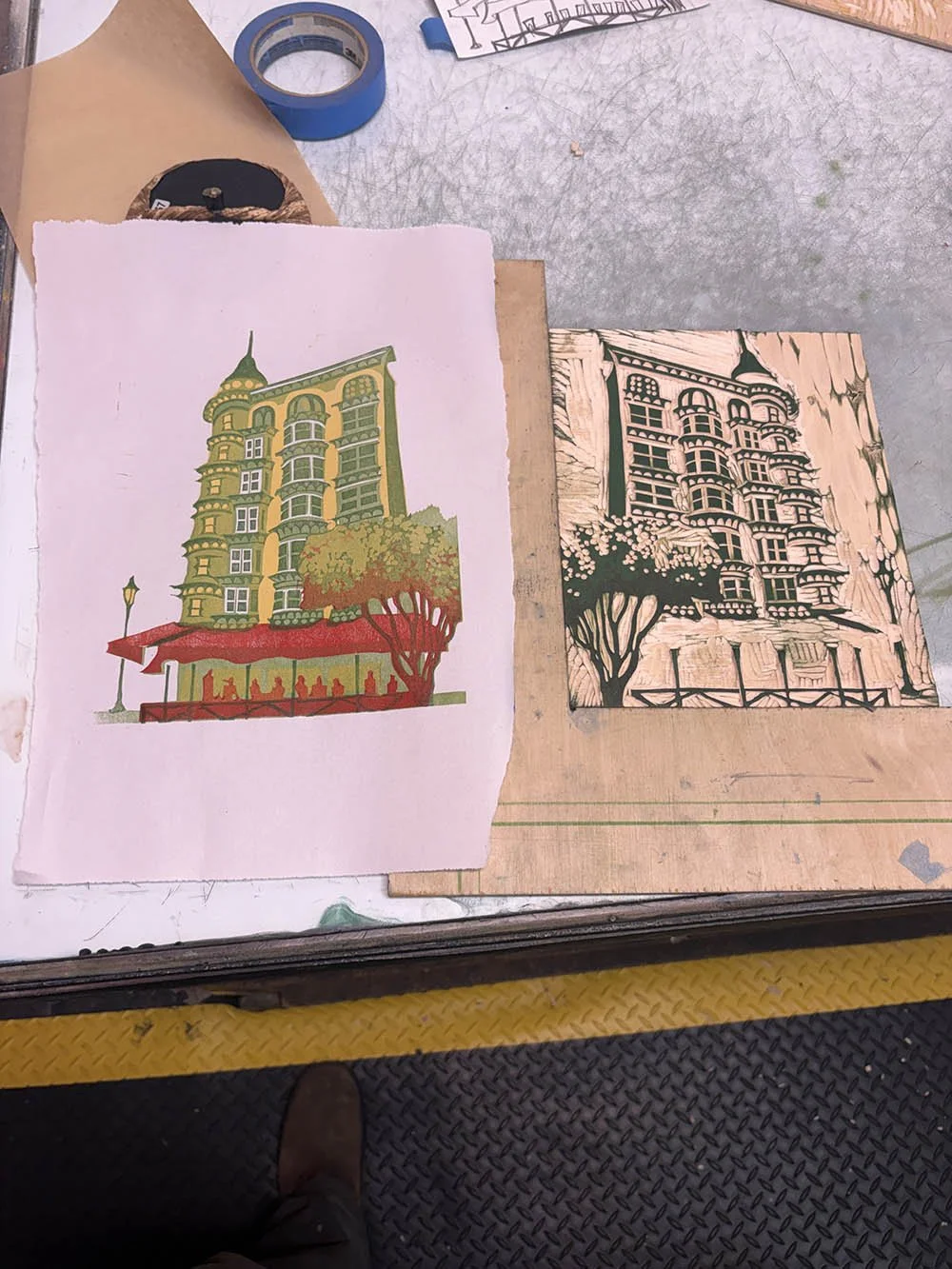
The term woodcut broadly refers to any relief print made from a carved woodblock. It encompasses many techniques, materials, and artistic approaches, from bold Western designs to intricate Eastern styles.
2. Woodblock (Eastern / Mokuhanga)
Woodblock printing usually refers to Eastern techniques, including Japanese mokuhanga. These water-based methods use hand-carved blocks, natural pigments, and washi paper, emphasizing layered colors, delicate registration, and subtle tonal variations. Mokuhanga remains one of the most refined and historically significant woodcut traditions.
3. Wood Engraving (Western)
Wood engraving is a Western technique, historically used for book illustrations, prints, and fine art. Unlike traditional woodcut, it uses the end-grain of hardwood blocks, which allows for finer detail and precise line work, making it ideal for printing text and images together.
4. Other Relief Techniques
Across the world, other forms of block printing use wood or overhead blocks. Examples include fabric printing traditions from India, the Middle East, and Southeast Asia, where carved or stamped blocks create patterns on textiles. These techniques highlight the global reach and versatility of wood-based relief printing.
My personal practice
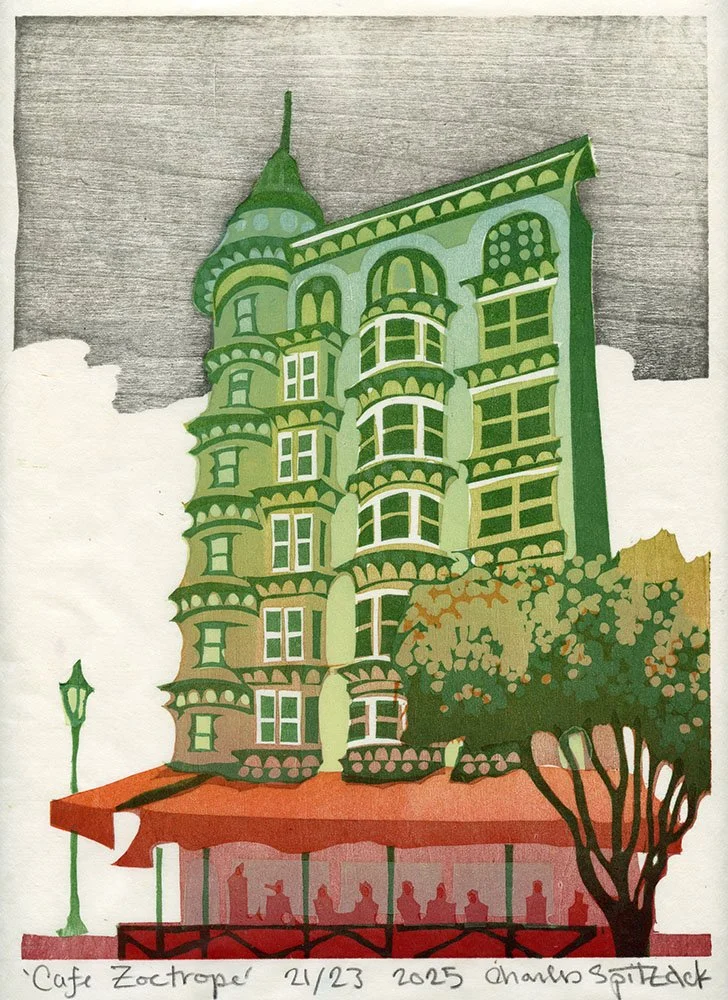
I practice and teach woodcut printmaking through two complementary approaches. While both share core principles of hand carving, careful material handling, and hand printing, they differ in techniques, tools, and historical traditions, giving students a chance to explore a range of creative possibilities.
Traditional Mokuhanga (Japanese Woodblock Printing) Mokuhanga is a water-based Japanese woodblock technique that developed during the Edo period. Using hand-carved blocks, natural pigments, and washi paper, this method allows for subtle layering of color, precise registration, and delicate tonal effects. Instruction focuses on traditional tools, block carving, multi-block registration, paper preparation, and hand printing with a baren. Mokuhanga emphasizes patience, precision, and close attention to materials, providing students with a deep understanding of one of the most historically significant forms of woodcut printmaking.
Western-Style Woodcut (Oil-Based Hand Printing) Western-style woodcut uses oil-based inks and hand-printing techniques without a press. This approach highlights bold carving, strong contrast, and expressive mark-making. While it shares the carving process with Mokuhanga, it differs in the printing method, using brayers and oil inks rather than brushes with water-based pigments. This style is historically connected to the American Arts and Crafts movement, where hand-printed woodcuts became widely popular. It is flexible and adaptable to home studios or classroom settings, allowing students to experiment with color, texture, and scale.